
My Journey
From Business Owner - to the Skies
At 46, I made a decision that changed everything.
I became a flight attendant.
Before aviation, I built and ran multiple businesses, including a specialty retail store, a medical spa, and a real estate brokerage. But stepping into aviation opened my eyes to something most travelers never see.
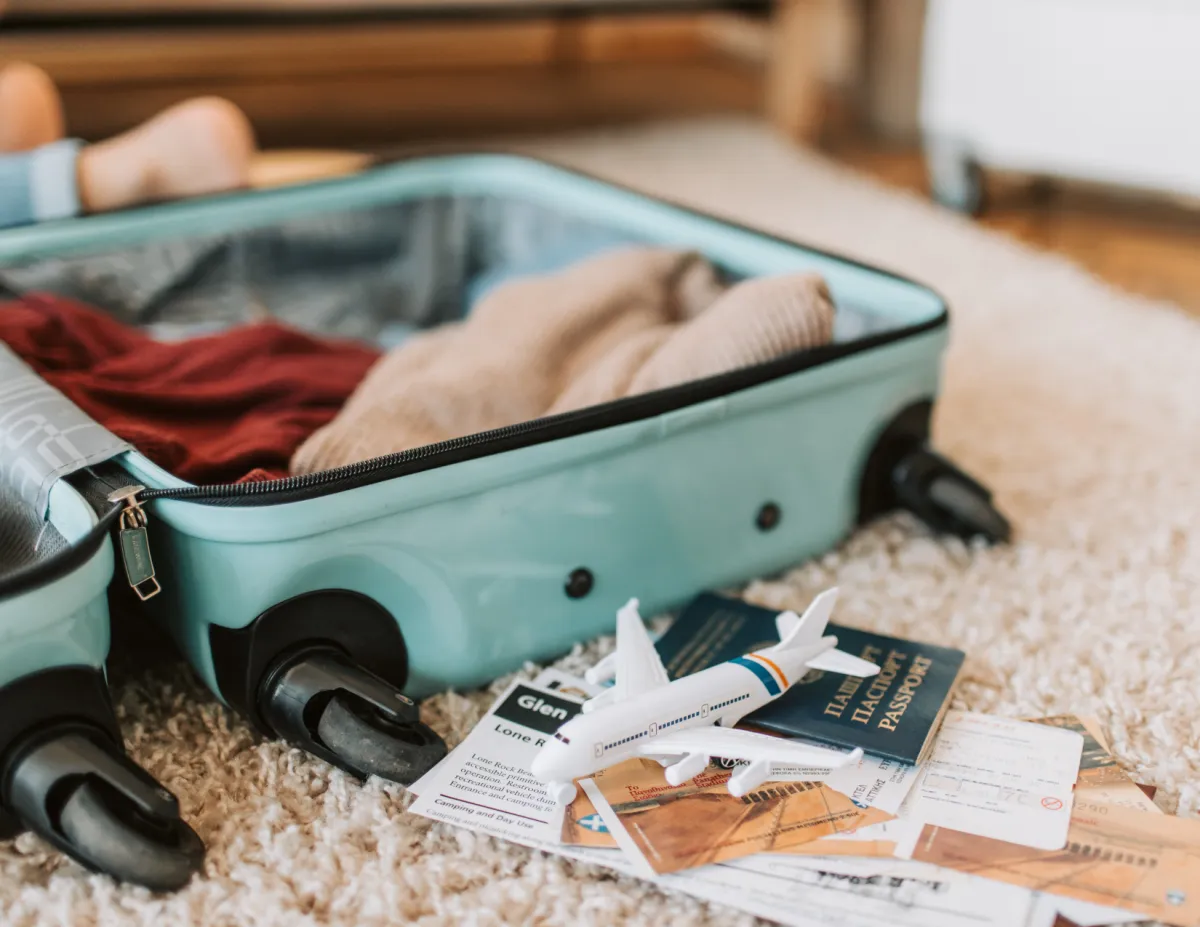
Passengers constantly asked me questions mid-flight, what to pack, how to avoid delays, what really matters.
I realized something important:
What I saw:
how airports actually operate
what causes delays
how small mistakes create big travel stress
what experienced travelers do differently
Most travelers don’t lack effort—they lack insider knowledge.
What started it all
My health journey began with a wake-up call at 43, when I experienced a heart attack caused by a PFO, a small hole in the heart. That moment changed everything. It pushed me to take ownership of my health and become my own advocate.
Having lost both of my parents to cancer at relatively young ages, I’ve developed a deep commitment to understanding the body and exploring proactive, holistic approaches to wellness. I believe in looking beyond conventional methods and integrating alternative strategies that support the body as a whole.
Today, I take a highly personalized and data-driven approach to my health, especially when I travel. From supplements and breathing techniques to vagus nerve exercises, I actively work to support my body in flight. I also track my physiological responses using tools like WHOOP, continuous glucose monitors, metabolic trackers, and regular blood pressure monitoring.
I’m continually learning and collaborating with experts, from sleep doctors to dietitians, to better understand how travel impacts the body. Through this work, I aim to share insights, raise awareness, and help others feel more informed and empowered in their own health journeys.

So I started sharing.
Today, I help hundreds of thousands of travelers feel:
more prepared

more confident

less stressed
Media & Collaborations
If you are interested in working with Cici, Please reach out to
[email protected] for collaboration requests.
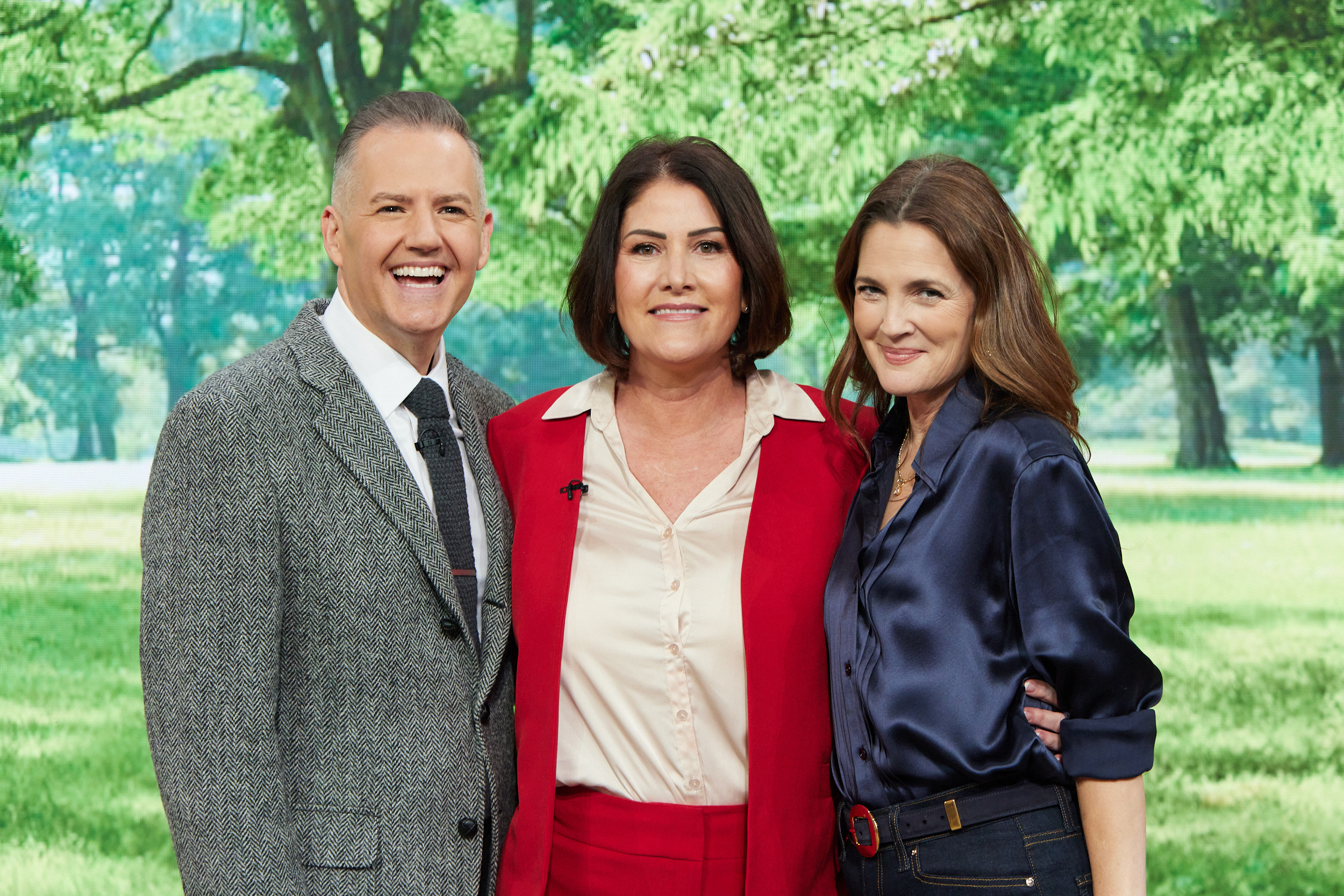
- Real travel advice -
from a real flight attendant
How to Travel Stress Free
How to Travel Stress-Free
What Actually Works (From a Flight Attendant)
Travel doesn’t have to feel chaotic, exhausting, or overwhelming.
After years of flying and watching thousands of travelers navigate airports, delays, and last-minute changes, I can tell you this:
most travel stress is predictable and preventable.
Stress-free travel isn’t about doing everything perfectly.
It’s about having a simple system that keeps you calm, prepared, and flexible when things don’t go as planned.
These are the exact strategies I rely on whether I’m working a flight or traveling for my own trips.
What Stress-Free Travel Really Means
Stress-free travel doesn’t mean nothing goes wrong.
It means:
You’re prepared before problems happen
You don’t overpack or overplan
You know how to adjust without spiraling
When you build the right habits, travel starts to feel easier—and honestly, a lot more enjoyable.
How to Pack for Stress-Free Travel (Without Overpacking)
Overpacking is one of the biggest causes of travel stress—and one of the easiest problems to fix.
Here’s what actually works:
Roll, don’t fold→ saves space and reduces wrinkles
Use packing cubes→ everything has a place
Cut duplicates→ if it doesn’t serve multiple purposes, it doesn’t go
Keep essentials accessible→ anything you need mid-travel goes on top
Dress in layers→ airports, planes, and destinations all vary
The goal isn’t to pack more, it’s to pack smarter so you’re not digging through your bag at the worst possible moment.
The Carry-On System I Always Use
This is something I see people get wrong all the time.
Your carry-on should not be random bag of stuff it should be strategic.
What I always include:
A change of clothes (in case luggage doesn’t make it)
Medications and anything you can’t replace
Snacks and hydration (delays happen)
Chargers and a portable battery
One comfort item (scarf, wrap, or lightweight layer)
If your checked bag disappears, your carry-on should carry you through at least 24 hours comfortably.
How to Plan a Travel Itinerary Without Feeling Overwhelmed
The biggest mistake I see? Trying to do too much.
Instead:
Pick your must-see moments first
Group things by location(don’t zigzag across a city)
Leave space between plans
Build in downtime(this is where travel actually becomes enjoyable)
You don’t need to see everything—you just need to enjoy what you do see.
What I Do When Travel Doesn’t Go as Planned
Because it won’t always go as planned.
Here’s how to stay ahead of it:
Book the first flight of the day when possible→ fewer delays
Watch the weather before your trip→ delays usually start there
Give yourself longer connection times, especially internationally
Have a backup plan→ not just flights, but options
The travelers who struggle the most are the ones who expect everything to go perfectly.
The ones who stay calm? They plan for flexibility.
Simple Ways to Handle Travel Stress in the Moment
Even with planning, stress can creep in.
This is what helps:
Pause before reacting most situations aren’t urgent
Stay informed (apps, updates, gate changes)
Adjust instead of resist this is where the experience shifts
Take small breaks: hydration, food, even a short walk
Sometimes the best travel days come from the plans that didn’t work out.
My Philosophy on Stress-Free Travel
I don’t believe in overcomplicating travel.
I believe in:
Preparation over perfection
Simple systems that work every time
Giving yourself room to enjoy the experience
Travel should add to your life not drain you.
Final Thoughts: Travel Can Feel Easier Than You Think
If you take one thing from this, let it be this: You don’t need more stuff or a perfect itinerary. You need a plan that works for real life.
Start small. Pack smarter. Leave room to breathe.
That’s how travel becomes something you actually look forward to not something you need to recover from.
Embrace these practices, and you'll soon discover that each new trip is an opportunity to build unforgettable memories. Keep exploring and stay inspired!