
My Journey
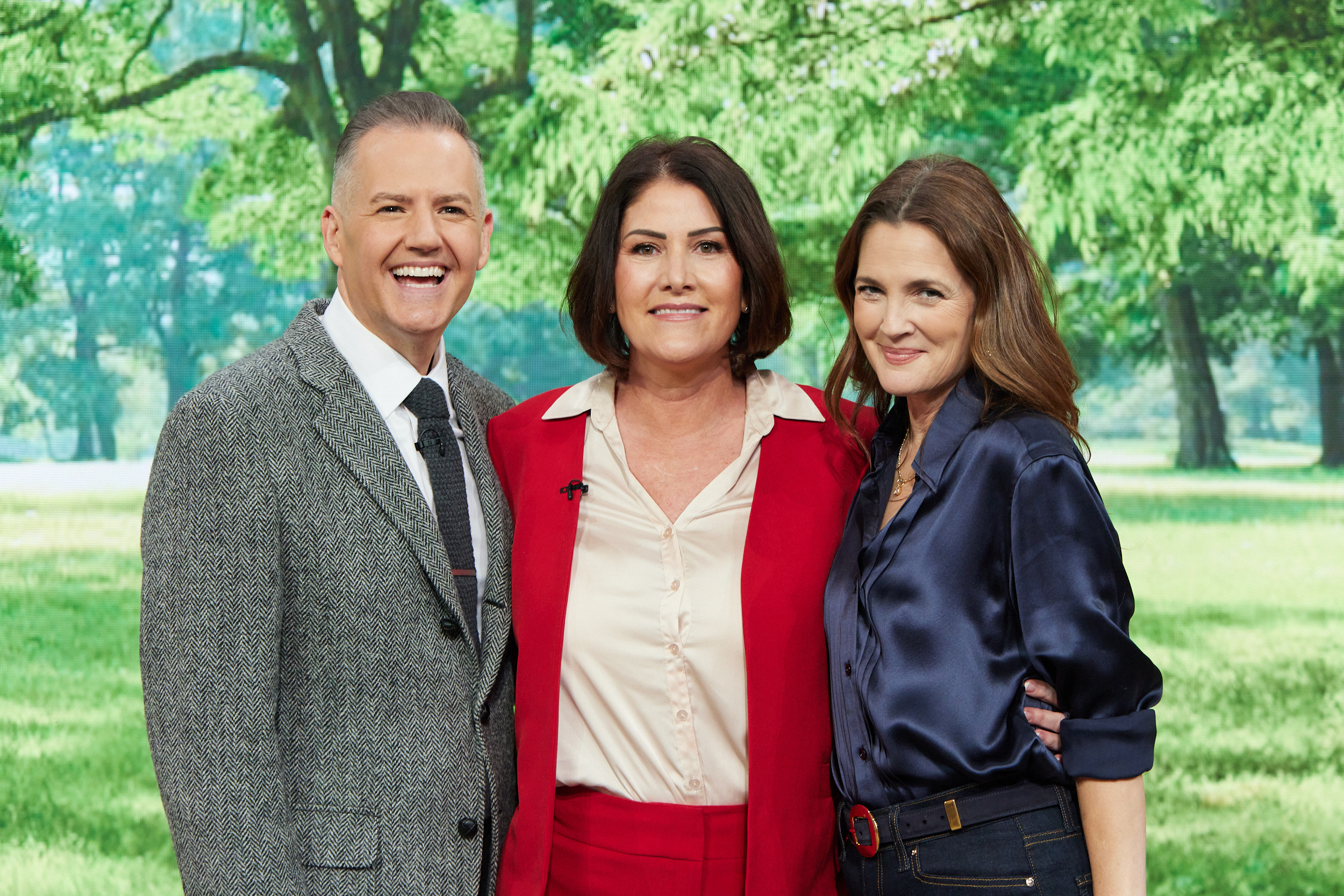
From Business Owner - to the Skies
At 46, I made a decision that changed everything.
I became a flight attendant.
Before aviation, I built and ran multiple businesses, including a specialty retail store, a medical spa, and a real estate brokerage. But stepping into aviation opened my eyes to something most travelers never see.
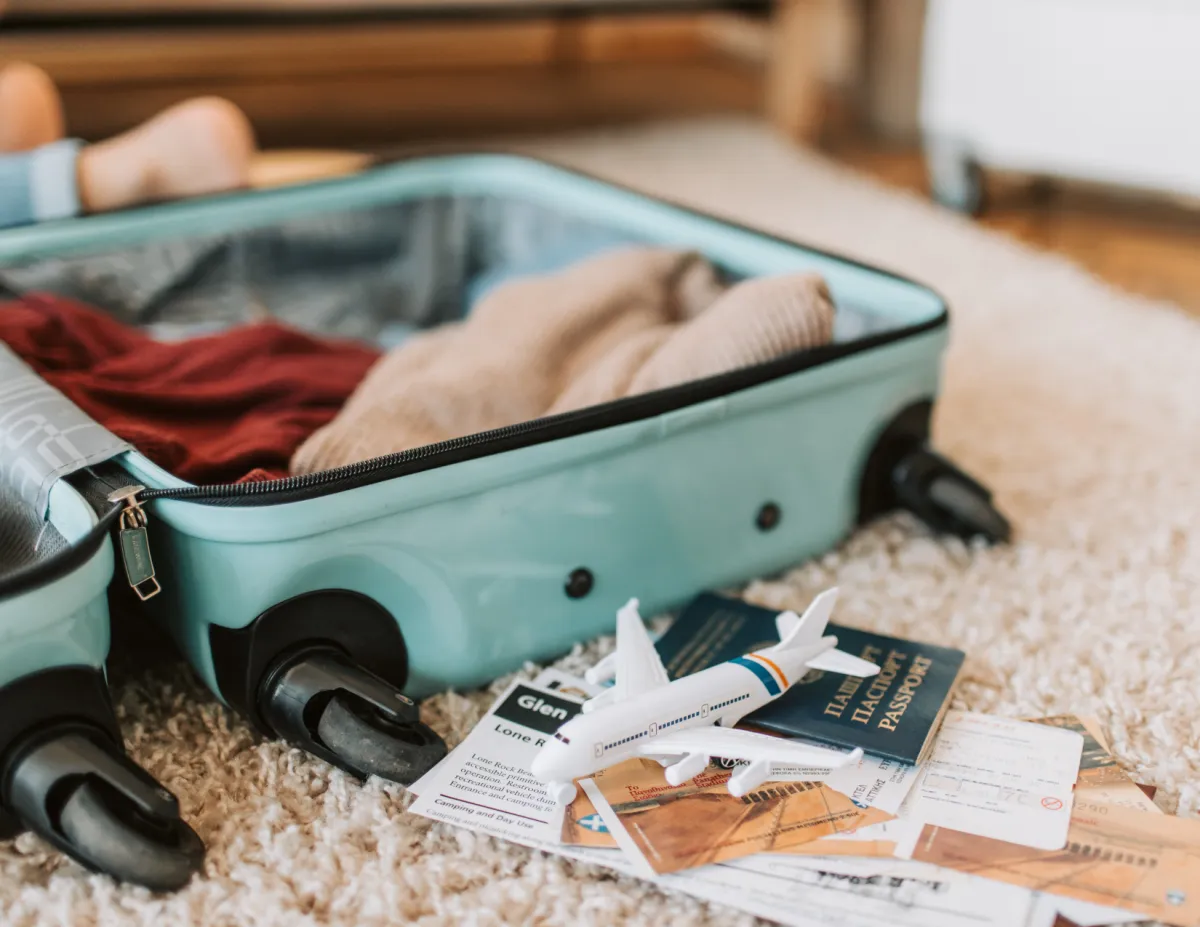
Passengers constantly asked me questions mid-flight, what to pack, how to avoid delays, what really matters.
I realized something important:
What I saw:
how airports actually operate
what causes delays
how small mistakes create big travel stress
what experienced travelers do differently
Most travelers don’t lack effort—they lack insider knowledge.
What started it all
My health journey began with a wake-up call at 43, when I experienced a heart attack caused by a PFO, a small hole in the heart. That moment changed everything. It pushed me to take ownership of my health and become my own advocate.
Having lost both of my parents to cancer at relatively young ages, I’ve developed a deep commitment to understanding the body and exploring proactive, holistic approaches to wellness. I believe in looking beyond conventional methods and integrating alternative strategies that support the body as a whole.
Today, I take a highly personalized and data-driven approach to my health, especially when I travel. From supplements and breathing techniques to vagus nerve exercises, I actively work to support my body in flight. I also track my physiological responses using tools like WHOOP, continuous glucose monitors, metabolic trackers, and regular blood pressure monitoring.
I’m continually learning and collaborating with experts, from sleep doctors to dietitians, to better understand how travel impacts the body. Through this work, I aim to share insights, raise awareness, and help others feel more informed and empowered in their own health journeys.
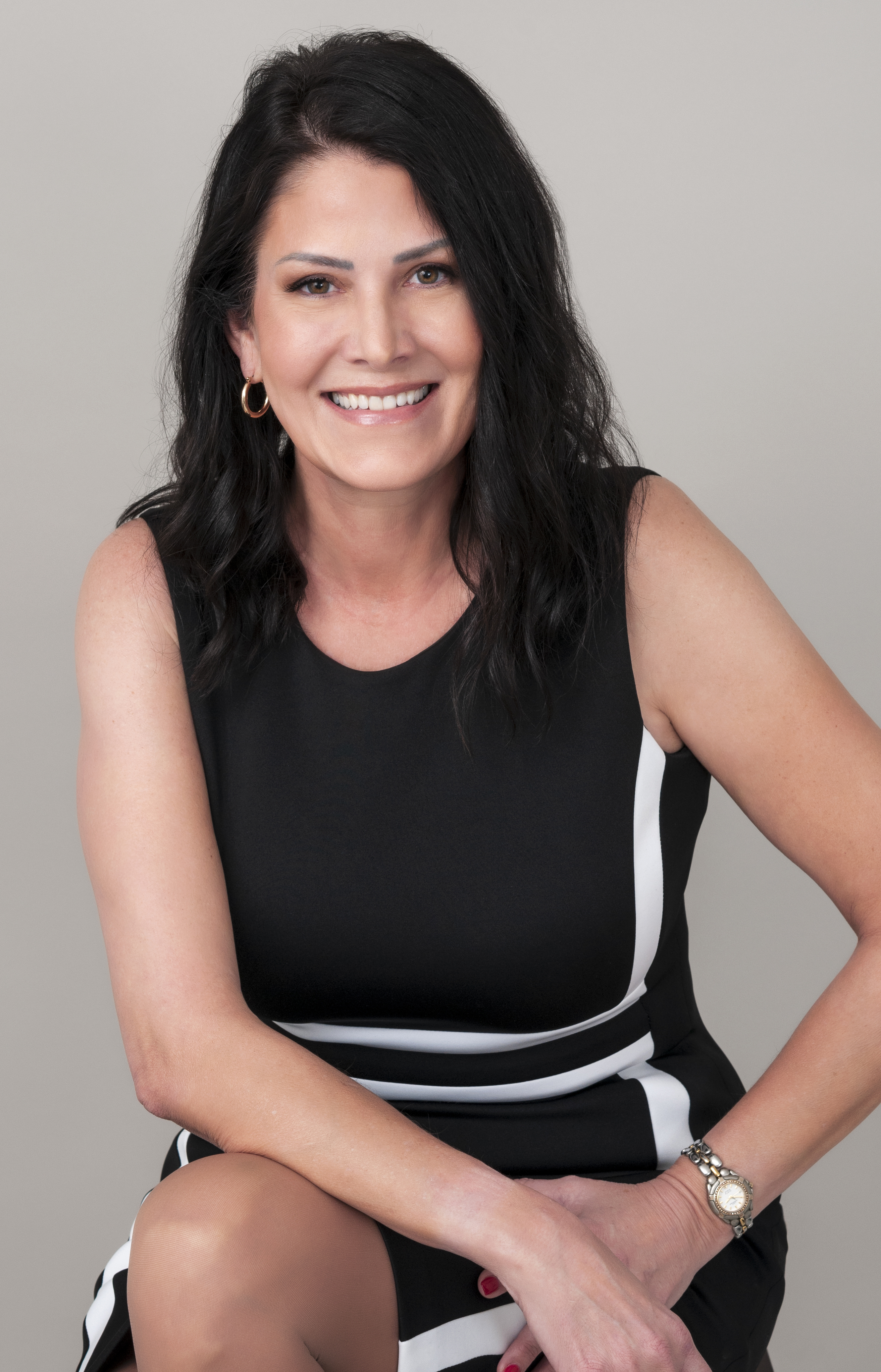
So I started sharing.
Today, I help hundreds of thousands of travelers feel:
more prepared
more confident

less stressed
Media & Collaborations
If you are interested in working with Cici, Please reach out to
[email protected] for collaboration requests.
- Real travel advice -
from a real flight attendant
Red Eye Reset
Red Eye Reset
🌙 BEFORE BOARDING
If you’re landing in the morning:
• Stop caffeine 6–8 hours before intended sleep on the plane
• Hydrate well before boarding
• Eat light high protein meal (avoid heavy fats + alcohol)
• Dim screens 60 minutes before boarding
Why: You’re signaling to your brain that night is beginning.
Alcohol may make you sleep but it fragments REM and worsens recovery.
😴 ON THE PLANE
Goal: Protect any sleep you can get.
• Eye mask + ear plugs
• Neck support
• Skip alcohol
• Slow breathing if sleep won’t come
• Compression socks
Even fragmented sleep reduces cognitive decline compared to staying fully awake.
If you can’t sleep:
Stillness + eyes closed still helps your nervous system.
☀️ UPON LANDING (Morning Arrival)
This is the reset moment.
As soon as possible:
1. Get outside-Natural sunlight (no sunglasses if safe)
2. Walk 10–20 minutes
Morning light is the strongest circadian signal we have.
🌎 ADD: GROUNDING
If possible, remove shoes and stand barefoot on grass, sand, or natural ground for 5–15 minutes.
Grounding can support parasympathetic activation and reduce perceived stress.
🧘♀️ NERVOUS SYSTEM RESET
Before your first coffee:
Try 2–3 minutes of slow nasal breathing
Inhale 4 seconds
Exhale 6 seconds
Longer exhales help calm the sympathetic stress response from travel.
☕ CAFFEINE STRATEGY (Arrival Day)
Delay caffeine 60–90 minutes after waking on the plane.
Dose:
100–200 mg in the morning
Optional small booster before 1 PM(50mg)
Hard stop: At least 6 hours before target bedtime.
Caffeine blocks adenosine to increase alertness.
But taken late, it delays melatonin and prolongs jet lag.
💪 CREATINE STRATEGY (Cognitive Support)
Daily dose: 3–5 grams creatine monohydrate. Creatine supports ATP production in the brain.
Some human studies show it may help cognitive performance during sleep deprivation.
Consistent daily use supports baseline brain energy — especially useful for frequent travelers.
🚶♀️ MIDDAY RULE
Light movement outside.
No intense workouts on arrival day.
Heavy training raises cortisol and can delay sleep in an already stressed system.
😴 NAP RULE
If absolutely necessary:
20–30 minutes before 2 PM only.
Long naps reduce nighttime sleep pressure.
🌙 PROTECT THE FIRST NIGHT
Dark room
Cool temperature
No screens 60 minutes before bed
Magnesium glycinate optional (if approved by your clinician)
Even if exhausted early, try to hit your new local bedtime.
That first night anchors the reset